Monday, December 9, 2013

Misconceptions about Homeless People

Many people in the United States interact with homeless people on a daily basis; however, many of them are unaware that there is a correlation between mental illness and homelessness. Many are quick to make assumptions about another person’s life, and may not be properly educated in this subject area. For example, many people have called homeless people “bums” and have condescendingly asked, “why don’t they just get a job and stop begging for money?” For the most part, the people making these accusations do not understand that a significantly high percentage of the homeless people suffer from mental disorders, and that many of these disorders make it difficult for them to properly function in a society dominated by jobs and capital. 
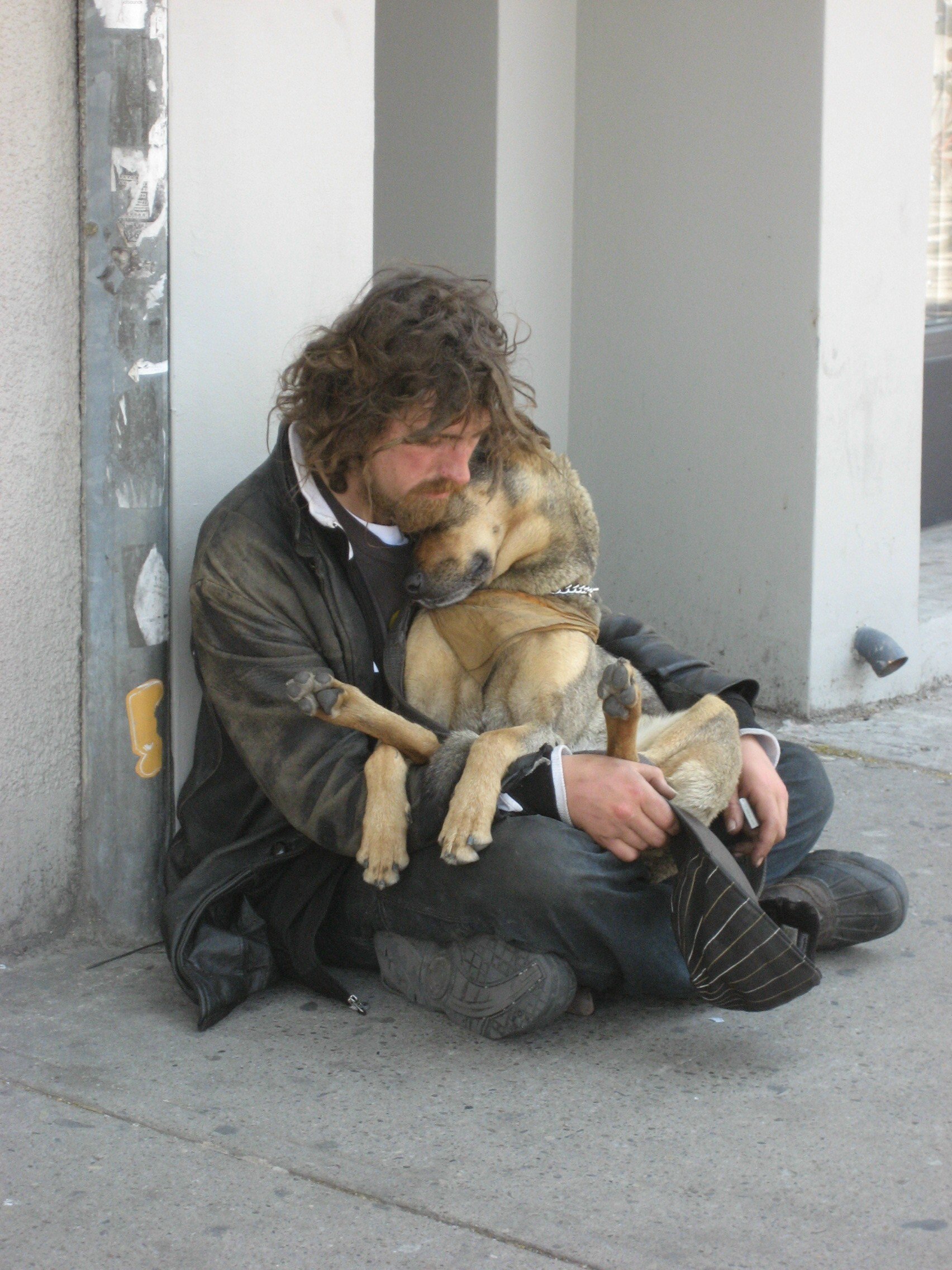
"The mentally ill did not beg to be homeless"

Stigmatization of Homeless People


A large amount of people living on the streets did not choose to be homeless, but rather they had nowhere else to turn because of their disorders. In addition, these people are unfairly stigmatized and looked down upon in society as lazy, unintelligent people begging for money, whereas many of them are really the products of circumstance and being dealt an unlucky hand of genetics. Furthermore, many people who live on the streets cannot adequately care for their mental illnesses because the current state of mental health institutions in the United States is too poor too successfully ameliorate their psychiatric problems. Because of this, the issues surrounding mental illness and homelessness extend beyond the people themselves. The fact that so many homeless people have mental disorders is a clear indicator that there is a huge hole in the United States’ health care system, specifically in the department of mental illness. The current system is set up in a way that makes health care inaccessible for the people who need it most.


Sunday, December 8, 2013

Statistical Significance

When it comes to statistical data and research, the relationship between mental illness and homelessness becomes more evident. Of course, not all homeless people are the products of genetics and circumstance. However, a large portion of the homeless population is, and the volume of this group's size is often overlooked [by the general public]. For example, The New York Times reported two studies that were conducted on the homeless shelters of Philadelphia and New York City. In the study in Philadelphia, out of 193 homeless individuals, eighty four percent of them suffered from mental disorders, thirty seven percent of which were from schizophrenia. In the study conducted in New York, nearly every single one of the homeless participants examined suffered from some type and mental illness. Similar to Philadelphia, New York had a disproportionately high percentage of homeless people suffering from schizophrenia, with a staggering seventy two percent of its participants being affected by this disorder. However, one of the most incredible statistics reported in the New York study was that nearly ninety seven percent of the homeless individuals had had previous psychiatric hospitalization. These research studies clearly demonstrate that a significant amount of homeless people are suffering from mental disorder and, the most prevalent disorder, schizophrenia, is a highly debilitating illness that makes it incredibly difficult for someone to properly function in society.

Friday, December 6, 2013

Schizophrenia

The symptoms of some mental disorders can mimic the effects of illicit drugs. For example, some of the most common symptoms of schizophrenia include "Hearing internal voices, thinking that other people are reading one's mind, controlling one's thoughts, or plotting harm... Their disorganized behavior can be perceived as incomprehensible or frightening" (Psychology Today). Because someone suffering from schizophrenia may hear voices in their head or experience delusions and hallucinations, they can easily be misconstrued as someone on drugs. Observing bystanders may see these symptoms and prematurely assert that the homeless person they are looking at is an irresponsible drug addict, rather than viewing them as someone suffering from a horrible disorder who needs medical attention. In addition, some people can be found making fun of homeless people for experiencing these assumed illicit drug side effects. Unfortunately, the effects may be the involuntary symptoms of that homeless person’s mental disorder, and they are actually in need of help.  Beyond just getting a job, many of these homeless people’s disorders cause them to struggle on a daily basis, making it difficult for them to just get by. 

Thursday, December 5, 2013

The State of Mental Health Care

The current flawed state of the health care system in the United States is serving as a catalyst, exacerbating the already present homeless issue. One of the problems caused by inefficient mental health facilities is the "revolving door" phenomenon. This phenomenon refers to when people with persistent mental illnesses have nowhere to turn but hospitals when their symptoms intensify (Essentials of Psychiatric Health Nursing). However, when these people can no longer afford treatment, they are forced to return to the streets. This becomes a vicious cycle that many people are forced repeat because of how poorly the United States runs its mental health centers. In addition to this, a policy brought about by the Reagan administration changed the way mental health institutions received funding, which in turn severely restricted hospital services to psychiatric clients (Essentials of Psychiatric Health Nursing). This made health care too expensive for many people suffering from mental disorders, forcing them to not receive proper treatment and therefore experience the full brunt of their symptoms. In addition, many of the people suffering from mental illnesses have insufficient funds to get treatment and are ultimately forced to turn to the streets. The current structure of the United States' health care system makes it tend to increase the number of homeless people living with mental health problems.


Raising Awareness


There are many misconceptions surrounding homeless people. Amongst the general public, it is not uncommon for an air of apathy mixed with a lack of sympathy to be felt for homeless people. Because the symptoms of psychological disorders can mimic the effects of illegal drugs, homeless individuals can come across as lazy, drug addicted bums begging for money. However, for many people, homelessness is not a choice—and they simply have nowhere else to turn because they cannot afford to receive treatment inadequate mental health facilities. The issue of homelessness and mental illness is one that is currently sitting on the back-burners of the United States' domestic problems. However, it is one that often underrepresented and deserves more attention if it is ever going to be fixed.

Works Cited

“Community Mental Health Nursing.” Essentials of Psychiatric Health Nursing: Concepts of Cure in Evidence-Based Practice, (2011).

“Homelessness.” Encyclopedia of Urban America: The Cities and Suburbs, (1998).

Nelson, Bryce. “Mental Illness Cited Among Many Homeless.” The New York Times. The New York Times. 02 Oct. 1983. Web. 22 Oct. 2013. 

Psychology Today. "Schizophrenia." N.p., 19 June 2010. Web. 2 Nov. 2013